
Helping Kids Transition into Summer with Confidence
The school year is starting to wind down and summer is quickly approaching! Many families look forward to a slower pace, more freedom, and opportunities for fun. At the same time, this transition can bring some unexpected challenges for children.
Changes in routine, increased unstructured time, shifts in social dynamics, and even anticipation about the next school year can create feelings of anxiety, irritability, or overwhelm.
At Compassionate Counseling St. Louis, we know that kids thrive when they feel supported, understood, and equipped with tools to manage their thoughts and emotions. One of the approaches our St. Louis therapist team often uses to help St. Louis children navigate transitions like summer break is Cognitive Behavioral Therapy (CBT). CBT offers practical, age-appropriate strategies that empower kids and their parents and caregivers to better understand and respond to big feelings.
Today, we’re sharing with you how CBT at Compassionate Counseling St. Louis can support your child during this seasonal shift, along with simple ways you can bring these ideas home.
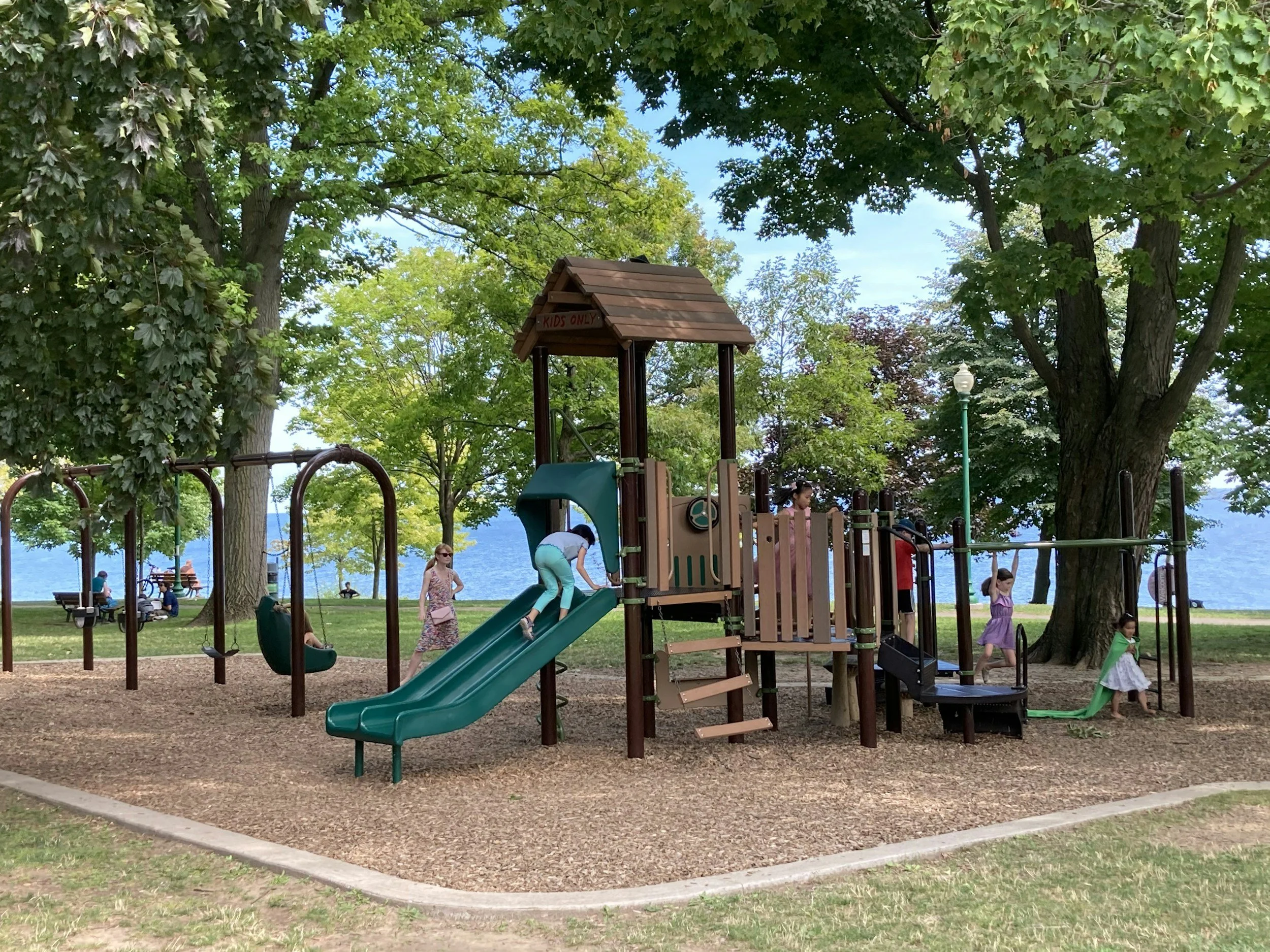
Image Credit: Unsplash Oakville Dude @oakvilledude
Summer Transition Through a Child’s Eyes
While summer may feel like a break to adults, children often experience it as a significant change. School provides structure, predictability, social interaction, and a place to focus. When that disappears for summer break (and holiday breaks), some kids may feel:
Uncertain or anxious about what each day will look like
Disconnected from friends or routines
Overstimulated by too much free time
Worried about upcoming changes (like a new grade or school)
These reactions are completely normal and the St. Louis child therapist team at Compassionate Counseling St. Louis works with kids every summer break to manage these transitions and the big emotions that sometimes comes with them.
How CBT Helps Children
CBT focuses on how our thoughts, feelings, and behaviors are connected. When children learn to recognize this connection, they build the tools needed to respond to challenges in healthier, more flexible ways.
For example, a child might think: "I’m going to be bored all summer. There’s nothing to do."
This thought can lead to frustration or sadness, which may show up as irritability or withdrawal.
CBT helps kids learn to gently question and reframe these thoughts:
"Maybe some days will feel slow, but I can find things I enjoy or try something new."
This shift helps your child to create space for possibility and problem-solving.
Practical CBT-Inspired Strategies for Home
You can use CBT at home. Here are a few simple, supportive ways to help your child prepare for summer:
1. Name and Normalize Feelings
Start by helping your child put words to what they’re experiencing.
“It sounds like you’re feeling a little nervous and a little excited about summer starting.”
“A lot of kids feel weird when routines change.”
When children feel understood, their emotions often become more manageable.
2. Explore Thoughts Together
Gently ask questions to understand what your child is thinking:
“What do you think might be hard about summer?”
“What are you most excited about?”
If you notice unhelpful thinking patterns (like “It’s going to be awful”), you can help them consider other perspectives without dismissing their concerns.
3. Create Gentle Structure
Children don’t need a rigid schedule, but having a predictable rhythm can help reduce some anxiety.
Consider some things like:
A loose daily routine (morning activity, quiet time, outdoor play)
A visual schedule for younger children
Weekly plans they can help create
A predictable and relaxing bedtime routine
This gives children a sense of control and stability.
4. Build Coping Skills Ahead of Time
Practice simple tools your child can use when emotions run high:
Deep breathing (“smell the flower, blow out the candle”)
Taking a break or quiet time
Identifying a “calm-down” activity they enjoy
Practicing when they’re calm makes it easier to use these skills when they’re upset.
5. Encourage Small Problem-Solving Steps
If your child says, “I’m bored,” try guiding rather than solving:
“Let’s think of three things you could do right now.”
“What’s one small thing that might make this moment better?”
This helps your child to build confidence and independence over time.
6. Celebrate the Effort
Transitions are rarely smooth all the time - and that’s okay. Notice and affirm your child’s efforts:
“I saw you try something new today—that took courage.”
“You handled that frustration really thoughtfully.”
These moments reinforce resilience and growth.
Supporting Yourself this Summer and Beyond
Transitions affect parents and caregivers, too. Changes in childcare, work schedules, and family dynamics can feel overwhelming. Offering yourself the same compassion you give your child is so important.
Therapeutic parent coaching at Compassionate Counseling St. Louis supports St. Louis parents just like you. Our St. Louis parent coaches help parents to build the skills and design the structure that you need most for your home, no one-size-fits-all parent coaching here.
Read more from our parent coaches Molly and Erin in these blogs:
When Additional Support May Help
If your child is experiencing ongoing anxiety, mood changes, or difficulty adjusting, it may be helpful to seek additional support. Therapy can provide a safe space for children to explore their feelings and learn personalized coping strategies.
At Compassionate Counseling St. Louis, we specialize in working with children and parents. Reach out today for a free consultation call to learn more about how we can support your child with individualized counseling and how we can support you with personalized parent coaching. We’re ready when you are.
Curious to learn more about counseling over summer break for your child? Reach out to us at hello@compassionatecounselingstl.com. As child anxiety experts, we love working with kids, teens, college students and parents to help manage their anxiety, stress, and anger. Compassionate Counseling St. Louis is located in Clayton, MO and works with families by offering both in-person counseling and online therapy throughout St. Louis City, St. Louis County, Ladue, University City, Town and Country, Webster Groves, Creve Couer, Kirkwood, Richmond Heights, and Brentwood. We also provide online therapy Missouri -wide to teens and college students. You can set up your first free consult on this website, on our consultation page.