
How to Support Your Teen’s CBT Therapy at Home
When your teen starts Cognitive Behavioral Therapy (CBT), it’s natural to feel hopeful—and a little unsure of what your role should be. You may wonder, “Am I supposed to be doing something at home?” or “What if I say the wrong thing?”
The good news is that small, steady, compassionate actions at home can make a big difference in how effective CBT therapy feels for your teen.
At Compassionate Counseling St. Louis, we believe parents are powerful allies in the healing process. Here’s how you can support your teen’s CBT therapy in ways that feel doable, respectful, and grounded in real life.
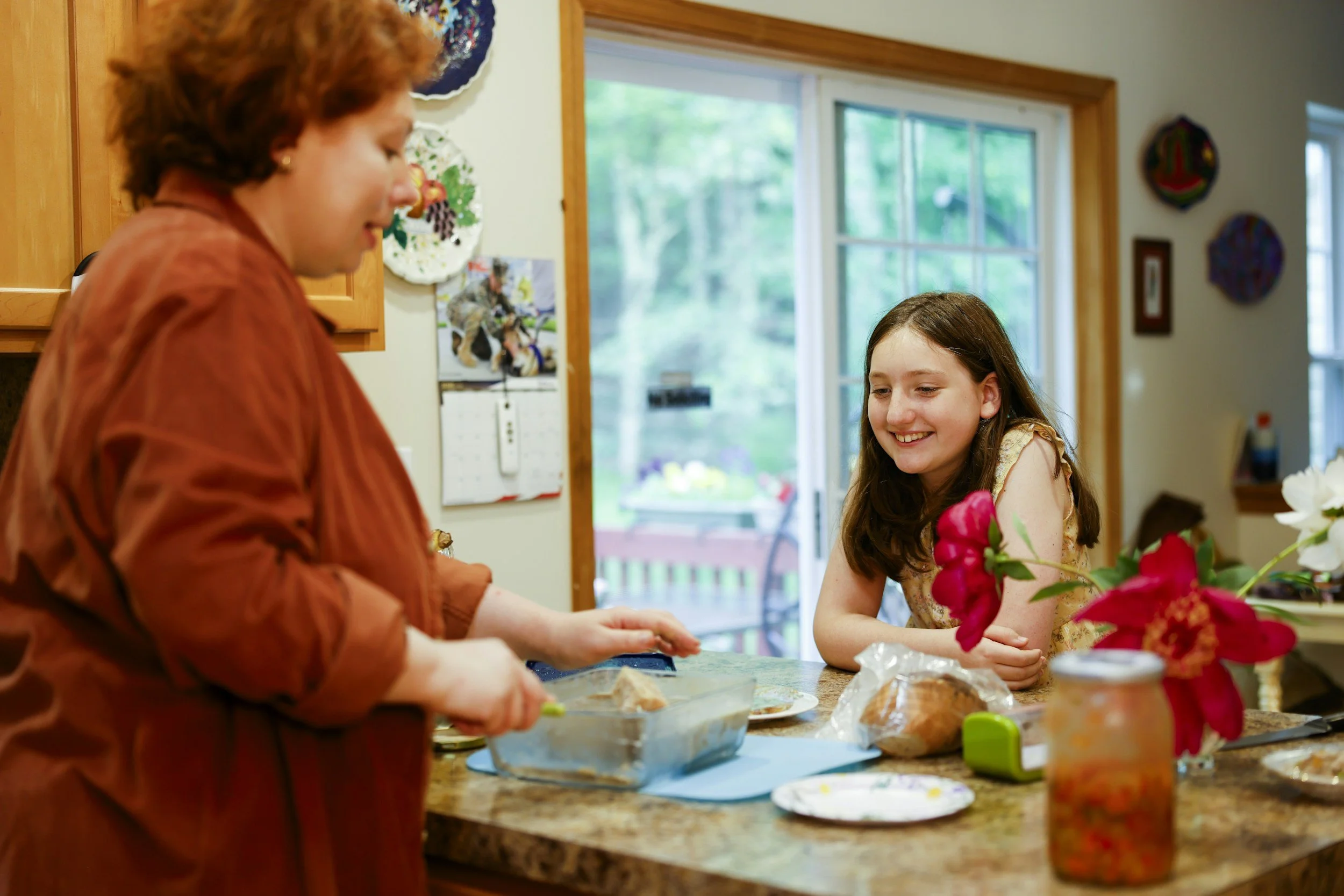
Image Credit: Unsplash Land O'Lakes, Inc. @landolakesinc
First, A Gentle Reminder: You’re Not Expected to Fix Everything
CBT helps teens understand the connection between their thoughts, feelings, and behaviors—and learn new ways to respond when anxiety, stress, or big emotions show up. The teen therapists at Compassionate Counseling St. Louis work with teens in the therapy sessions to develop these skills.
Your role at home is to create a supportive environment where the skills they’re learning can grow. Think of yourself as a steady presence, not a problem-solver.
Create Space for Feelings—Without Jumping to Solutions
Teens in CBT are learning to notice and name their thoughts and emotions. One of the most helpful things you can do is listen without immediately trying to fix or reassure.
When your teen shares something hard, you might try:
“That sounds really overwhelming.”
“I can see why that would be stressful.”
“Thanks for telling me.”
You don’t have to agree with every thought they have to validate their experience. Feeling understood helps teens feel safe enough to use their CBT skills instead of shutting down.
Be Curious About Therapy Skills
Your teen may come home with artwork, worksheets, new vocabulary, or strategies they’re practicing. Some teens love to talk about it. Others prefer to keep therapy more private - and both are okay.
Instead of asking lots of questions, try gentle curiosity:
“Is there anything you’re working on in therapy that you want me to know about?”
“Would it help if I reminded you of your tools, or would you rather handle it yourself?”
Let your teen lead. Respecting their autonomy builds confidence, which is a key goal of CBT.
Support Practice—Without Pressure
CBT skills get stronger with practice, but teens are still teens. Some days they’ll use their tools. Other days they won’t. That’s normal.
You can help by:
Normalizing effort over perfection
Noticing progress, small wins count!
Avoiding lectures when skills aren’t used
Saying something like, “I noticed you stayed in that situation even though it was uncomfortable—that took courage,” can mean more than you realize.
Model Healthy Coping Yourself
One of the most powerful ways teens learn is by watching the adults around them. You don’t have to be calm all the time—but being honest about your own coping can be incredibly helpful.
You might say:
“I’m feeling stressed, so I’m going to take a few minutes to reset.”
“I noticed my thoughts were spiraling, and I had to slow myself down.”
This shows your teen that coping skills aren’t just for therapy—they’re tools for life.

Supportive Parent Coaching is Available
You care deeply about your child, and you’re learning alongside them as they build new coping skills through CBT. You don’t have to do this alone - we’re here to partner with you every step of the way.
Stay Patient With the Process
CBT is practical and effective, but it’s not instant. Progress often comes in waves—steps forward, pauses, and sometimes steps back. This doesn’t mean therapy isn’t working.
Your steady support, patience, and belief in your teen matter more than doing everything “right.”
Learn More About the St. Louis Teen Therapists at Compassionate Counseling St. Louis
Meet Kelsey: Anxiety Therapy for Teens in St. Louis, MO: Hi! I’m Kelsey Torgerson (formerly Kelsey Torgerson Dunn), the founder of Compassionate Counseling St. Louis and author of When Anxiety Makes You Angry. I’ve been helping anxious, perfectionistic, and overwhelmed teens since 2012 — and I love watching my clients start to feel lighter, calmer, and more like themselves again.
Building Coping Skills for Your Anxious Child with Compassionate Counseling St. Louis Senior Therapist Molly Shaffer, LPC: Over the past decade, I’ve built my clinical skills to help kids, teens, and parents open up about the anxiety, anger, and trauma that’s getting in their way.
Art Therapy and CBT with Certified Art Therapist Erin Kirkpatrick, MA, ATR, LPC of Compassionate Counseling St. Louis: Art therapy in itself is a wonderful form of psychotherapy to encourage free expression, and when combined with CBT, it provides clients with a more personalized, expressive approach to therapy.
Searching the web for therapist St. Louis or therapist near me and found Compassionate Counseling St. Louis? Curious to learn more about teen CBT or St. Louis parent coaching? Reach out to us at hello@compassionatecounselingstl.com. As child anxiety experts, we love working with kids, teens, college students and parents to help manage their anxiety, stress, and anger. Compassionate Counseling St. Louis is located in Clayton, MO and works with families throughout St. Louis City, St. Louis County, Ladue, University City, Town and Country, Webster Groves, Creve Couer, Kirkwood, Richmond Heights, and Brentwood. We also provide online therapy Missouri wide to teens and college students. You can set up your first free consult on this website, on our consultation page.