
At Compassionate Counseling St. Louis, we love to connect with other St. Louis therapists and helping professionals.
We’ve recently connected with Katheryn Barton, LPC of Uplift & Connect Counseling and we are thrilled to share more about Katheryn and her practice with you!
Katheryn is a couples and family counselor based in Kirkwood, Missouri. She is also a mediator and American Sign Language interpreter! Read more from Katheryn about how she got started as a St. Louis counselor, who she works with, and how you can connect with her.
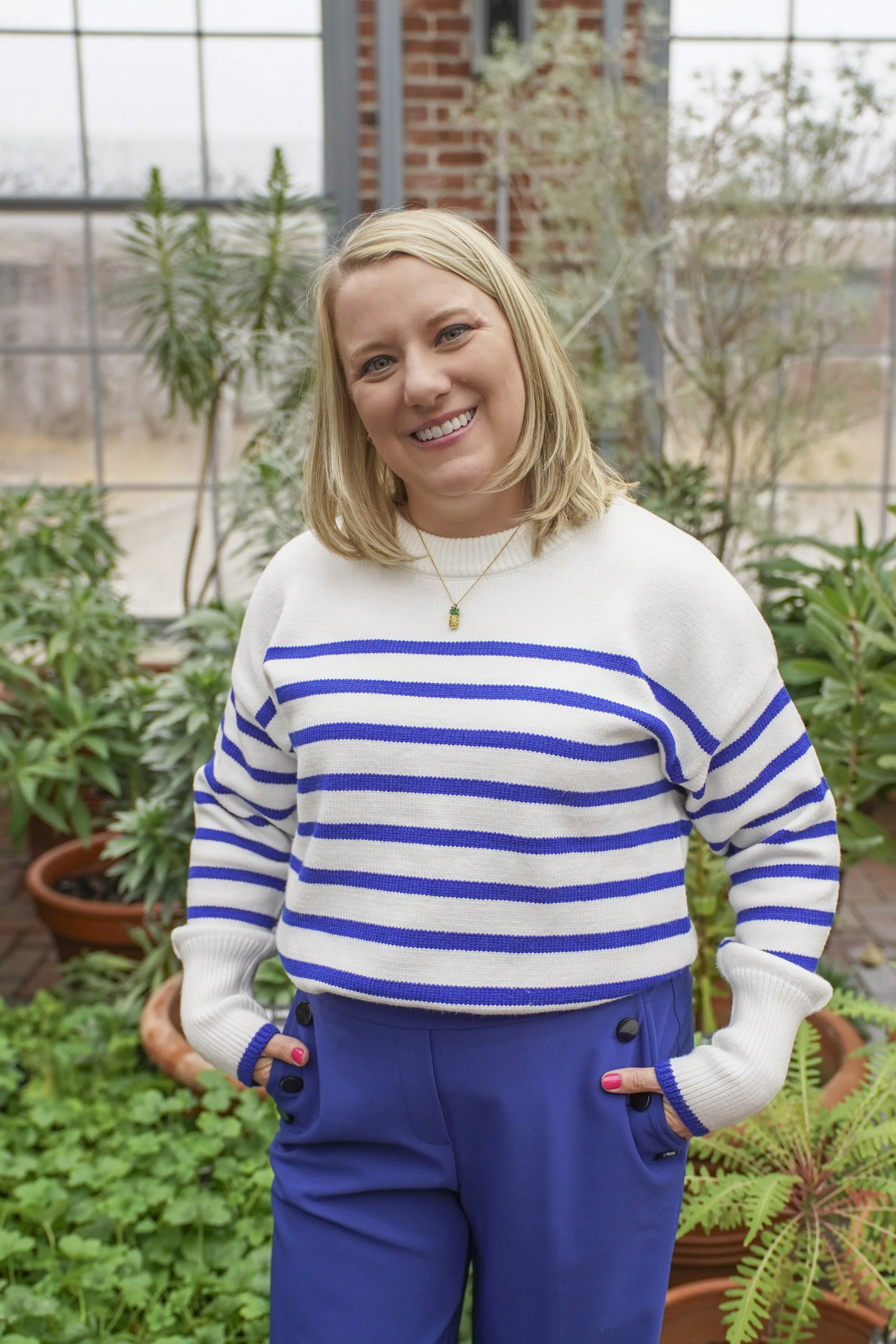
Katheryn Barton, M.Ed., LPC
Why did you choose to become a counselor in St. Louis and how long have you been working with clients?
I came to counseling through my work as a sign language interpreter. I was working for Special School District in St. Louis and often found myself witnessing really important conversations between students, families, and professionals. While I valued being able to serve as a bridge for communication, I realized I wanted to help in a deeper way. I wanted to be able to offer support, insight, and guidance rather than only facilitating the conversation. That realization led me to pursue counseling so I could work more directly with individuals and families.
I’ve been working with clients since 2018 and love being able to help individuals, couples and families strengthen their relationships and emotional connections.
What kind of treatment do you provide and can you briefly share what people can expect from it?
I primarily work with clients using Emotionally Focused Therapy (EFT), an evidence-based approach developed by Dr. Sue Johnson. EFT is effective for individuals, couples, and families and focuses on understanding the emotions that shape how we respond to one another.
Rather than simply giving people communication tools, this approach helps clients understand their own reactions in difficult moments. Together we slow down those interactions and explore the emotions and beliefs underneath them - the things we tell ourselves about our worth, our relationships, and whether it feels safe to be vulnerable.
Through this process, clients begin to better understand themselves and each other, which allows them to have the hard conversations in a more connected and meaningful way.
What ages do you work with?
I primarily work with adults as individuals or part of a couple. My work with families starts with children around 10 years old and older. At that age, kids can often participate more meaningfully in conversations about emotions, relationships, and family dynamics, which helps create more understanding and connection within the family.
What happens during a first appointment with you?
During our first appointment, we review intake paperwork and talk about what brings you to therapy and what you’re hoping to gain from the process. I like to get a clear understanding of your goals and what feels most important for us to focus on together.
If I’m working with a couple, we also spend time looking at what conflict typically looks like between you. We slow down those moments so we can begin to understand the patterns that tend to show up in the relationship. We may also talk about areas like physical intimacy and how connection (or disconnection) shows up in the relationship.
Another important part of the first session is exploring attachment histories and past experiences that influence how we show up in relationships today. Understanding those patterns helps us begin to make sense of why certain situations feel so difficult and how we can start shifting those patterns moving forward.
Could you talk a little about your approach?
I approach my work with a lot of intentionality and care, with the goal of helping people feel more understood and connected - to themselves and to the important people in their lives.
I tend to be supportive while also being thoughtfully direct when it’s helpful. Sometimes that means highlighting patterns or moments that might be easy to miss but are important to explore more deeply. Slowing down those experiences often helps create new understanding and space for change.
I also believe therapy can hold both depth and humanity. I often bring a little humor and levity into the work when it fits, because being human is messy, and creating a space where people feel accepted and comfortable can make meaningful conversations easier to have.
Who are your favorite types of clients to work with and when would you refer out?
I especially enjoy working with couples who I like to say are “in the thick of it.” These are often couples in mid-life who are balancing careers, parenting, and the many responsibilities that come with this stage of life. In the midst of juggling everything, their relationship can easily move to the back burner, and they’re looking for a way to reconnect and feel like a team again.
I also love working with couples who are approaching retirement or entering a new stage of life together. With fewer external distractions, many couples begin reflecting on the quality of their connection and want to strengthen their relationship so it feels supportive, comfortable, and meaningful moving forward.
I refer out when a client’s needs would be better served by a provider with a different specialty or level of care. My goal is always to make sure people receive the support that best fits what they’re going through.
Do you offer online counseling?
Yes, I offer online counseling for clients who prefer the flexibility and convenience of meeting virtually.
What do you wish people knew about going to counseling?
I wish more people knew just how helpful and transformative counseling can be. Many people feel nervous or unsure about starting therapy, but it can truly be life-changing. Therapy creates a space where you can better understand yourself, your emotions, and the patterns that show up in your relationships.
While it’s not always easy to be vulnerable, that openness often leads to deeper connection, less stress, and a greater sense of enjoyment in life and relationships. My goal is always to help people feel supported as they explore those parts of themselves and discover new ways of showing up in the world. Therapy doesn’t have to feel intimidating - it can actually be a really empowering and meaningful experience.
How can people learn more and contact you?
The best place to learn more about my work is my website:
https://upliftcounselingandmediation.com/
You can also sign up for my newsletter to receive insights, resources, and updates about upcoming offerings:
https://upliftcounselingandmediation.com/newsletter
And you can follow along on social media for helpful tips and updates on Instagram and Facebook.
Share one fun fact about you that most people don’t know.
I love to travel and have had the opportunity to live abroad. I also really enjoy trying different foods — especially food with a lot of extra spice!
Curious to learn more about starting counseling? Wondering what would be a good fit for you and your family? Contact Compassionate Counseling St. Louis to set up a free 15-minute phone consult. We’ll talk about what’s going on and best next steps - and if we’re not the right fit, we’ll connect you with other wonderful St. Louis-based therapists, like Katheryn!
Curious to learn more about anxiety and anxiety-driven anger? Reach out to us at hello@compassionatecounselingstl.com. As child anxiety experts, we love working with kids, teens, college students and parents to help manage their anxiety, stress, and anger. Compassionate Counseling St. Louis is located in Clayton, MO and works with families throughout St. Louis City, St. Louis County, Ladue, University City, Town and Country, Webster Groves, Creve Couer, Kirkwood, Richmond Heights, and Brentwood. We also provide online therapy Missouri wide to teens and college students. You can set up your first free consult on this website, on our consultation page.